Technology portfolio
Services, courses, experimental equipment
Characterization Service
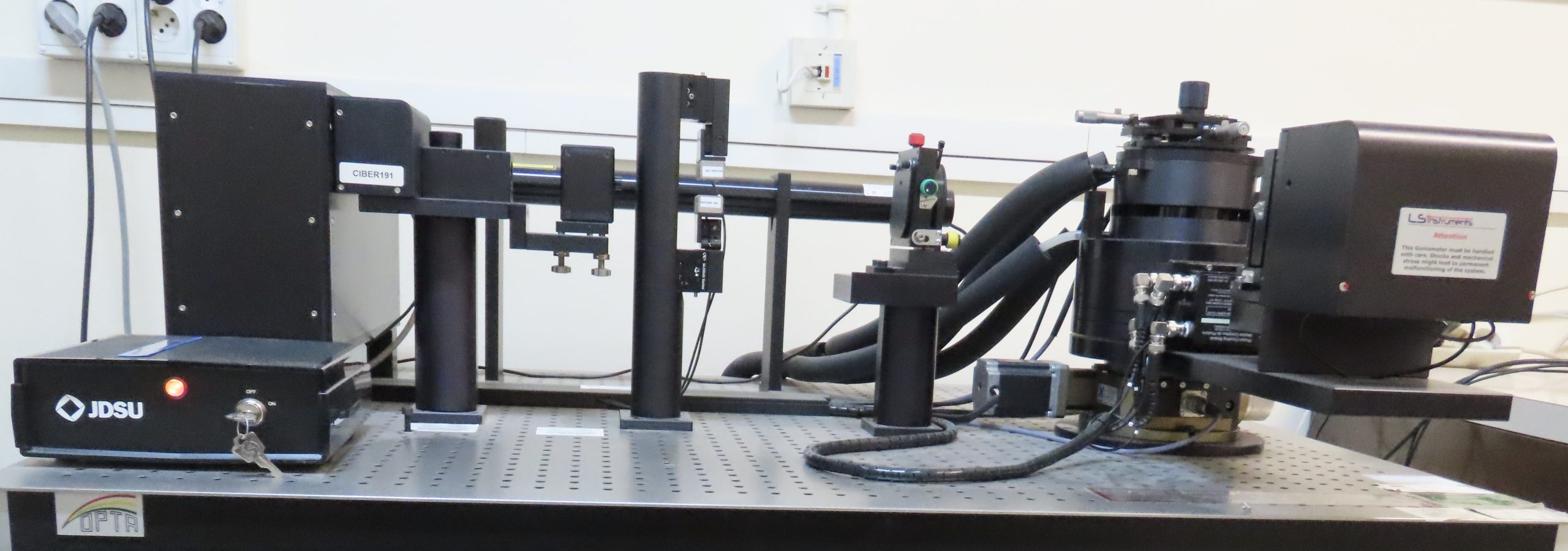
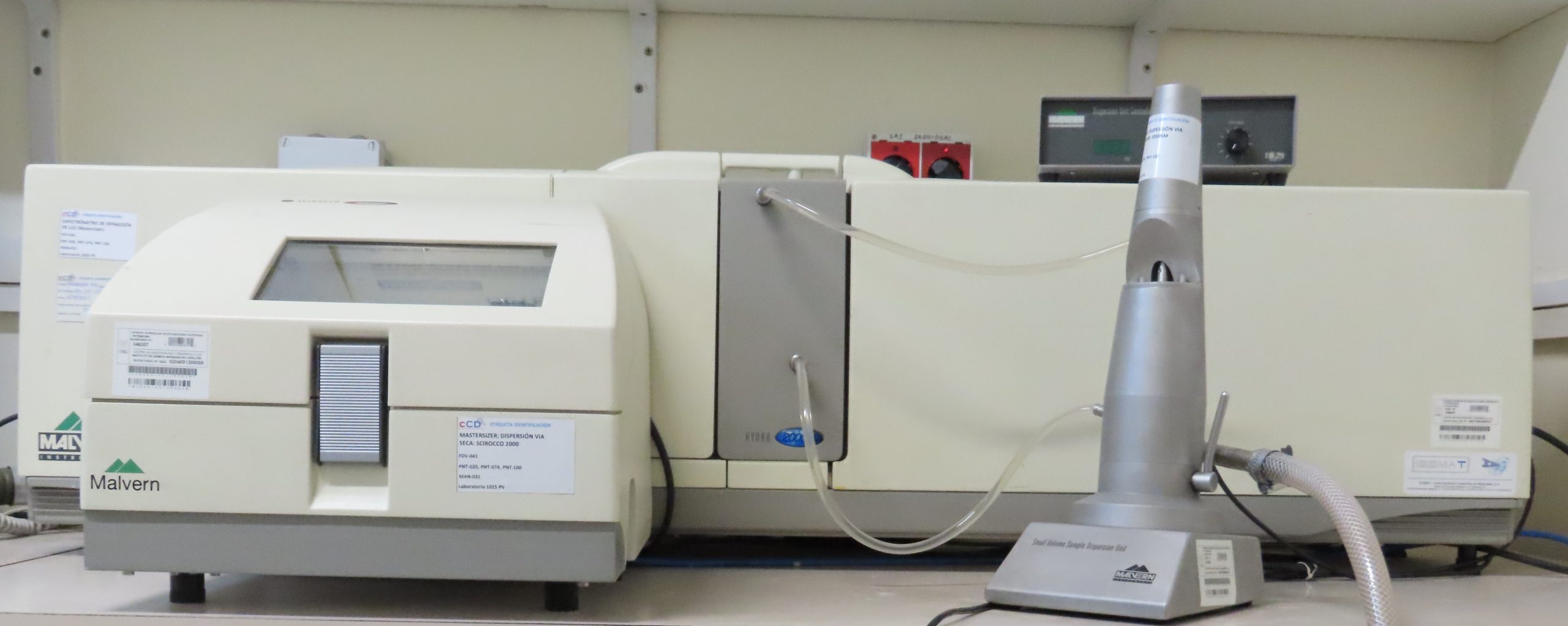
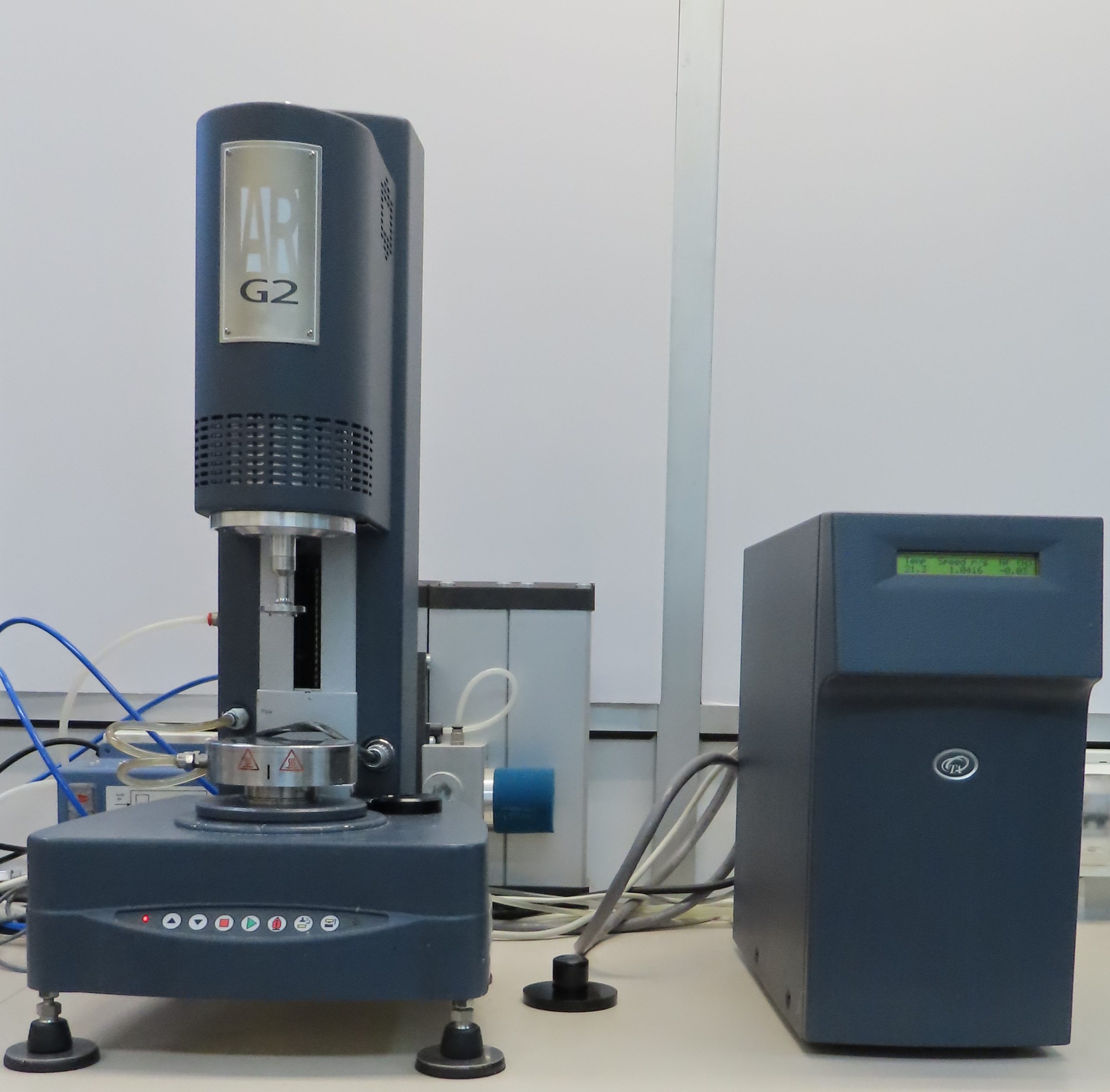
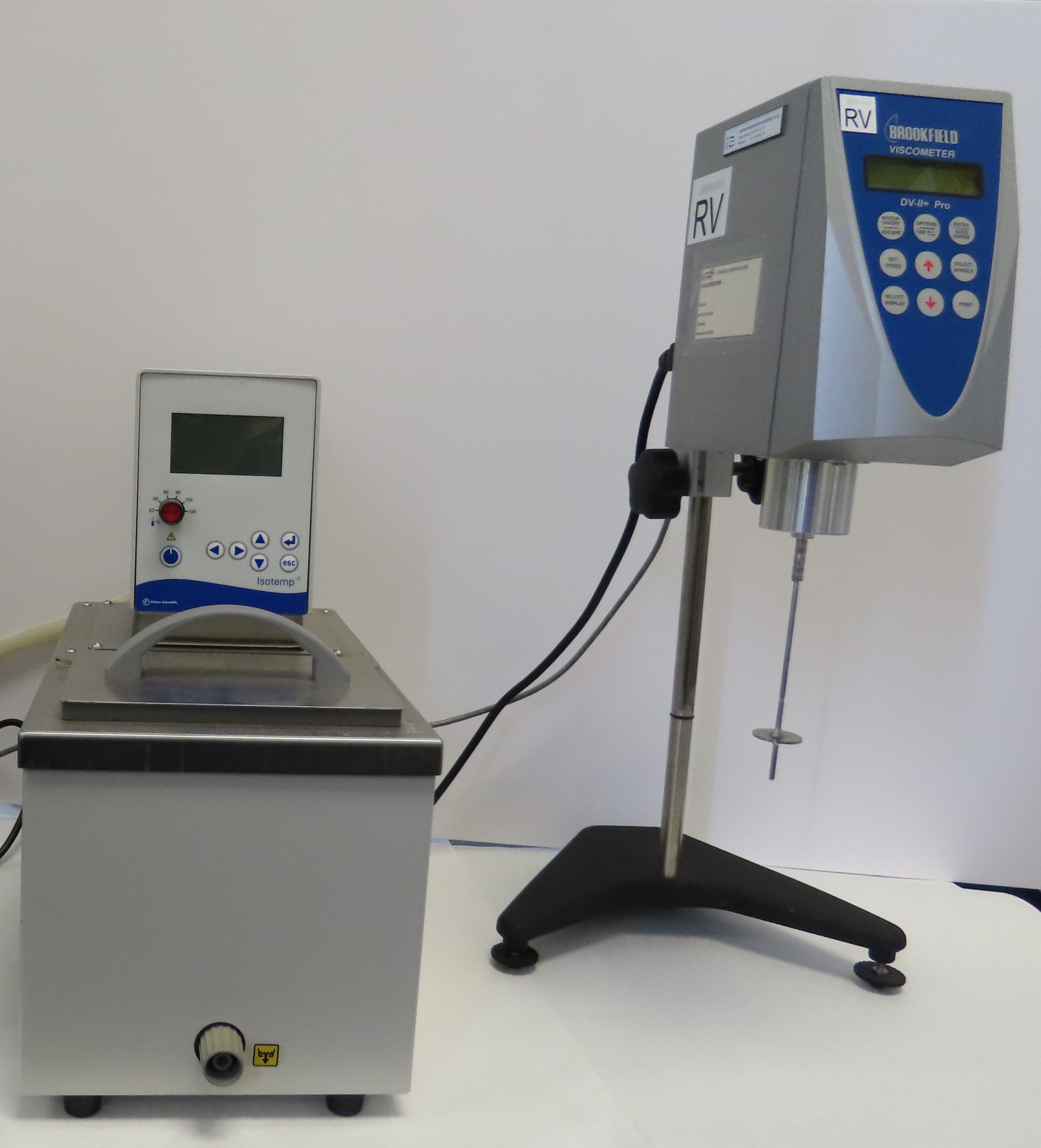
We offer a comprehensive characterization service for nanostructured liquids and colloidal systems, highly specialized in solid/liquid and liquid/liquid dispersions and interfaces.
The Characterization Service constitutes the Unit U12 of NANBIOSIS, −a Unique Scientific-Technological Infrastructure (ICTS) for the production and characterization of nanoparticles, biomaterials and biomedical systems− and is located at the Institute of Advanced Chemistry of Catalonia (IQAC-CSIC).
Since October 2021, the Service has operated under a Quality Management System certified by AENOR in accordance with the UNE-EN ISO 9001:2015 standard (certificate reference ER-0510/2021).
Included Services
Other services
Explore our innovative solutions
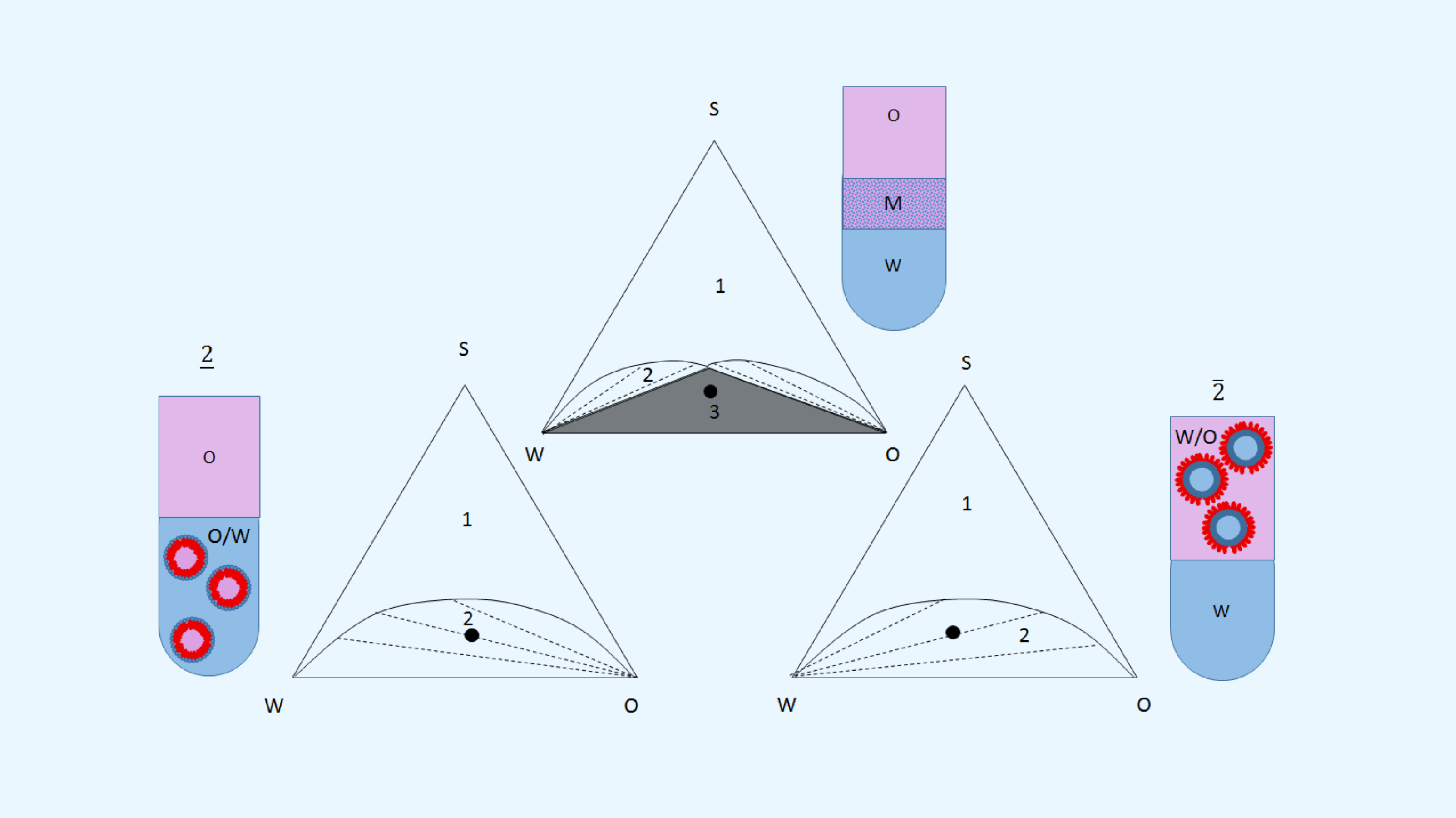
Determination of colloidal properties
- Study of the phasic behavior of surfactants in multi-component systems (binary, ternary and pseudo-ternary, etc.).
- Structural characterization of colloidal surfactant systems (emulsions, nano-emulsions, microemulsions, dispersions, etc.).
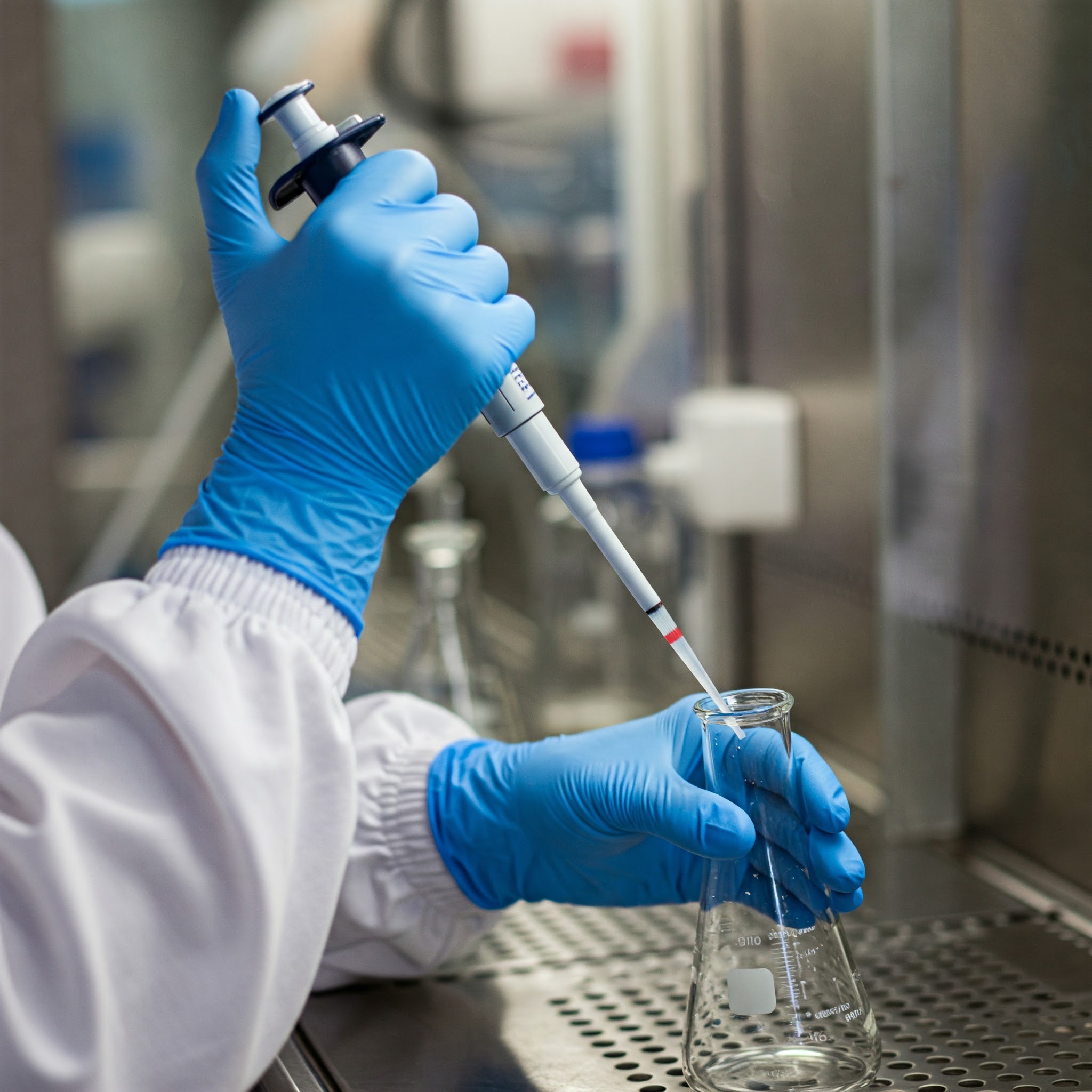
Preparation and characterization of formulations (based on colloidal surfactant systems)
- Preparation of tailor-made formulations, customized according to the final application.
- Study of industrial formulations (emulsions, nano-emulsions, microemulsions, dispersions, etc.) and improvement of their properties, such as droplet or particle size, static and dynamic stability, etc.
- Development of methodologies for preparing formulations using low-energy techniques, which can optimize resource use −such as energy and chemicals− in industrial processes and enhance the properties of the resulting formulations.
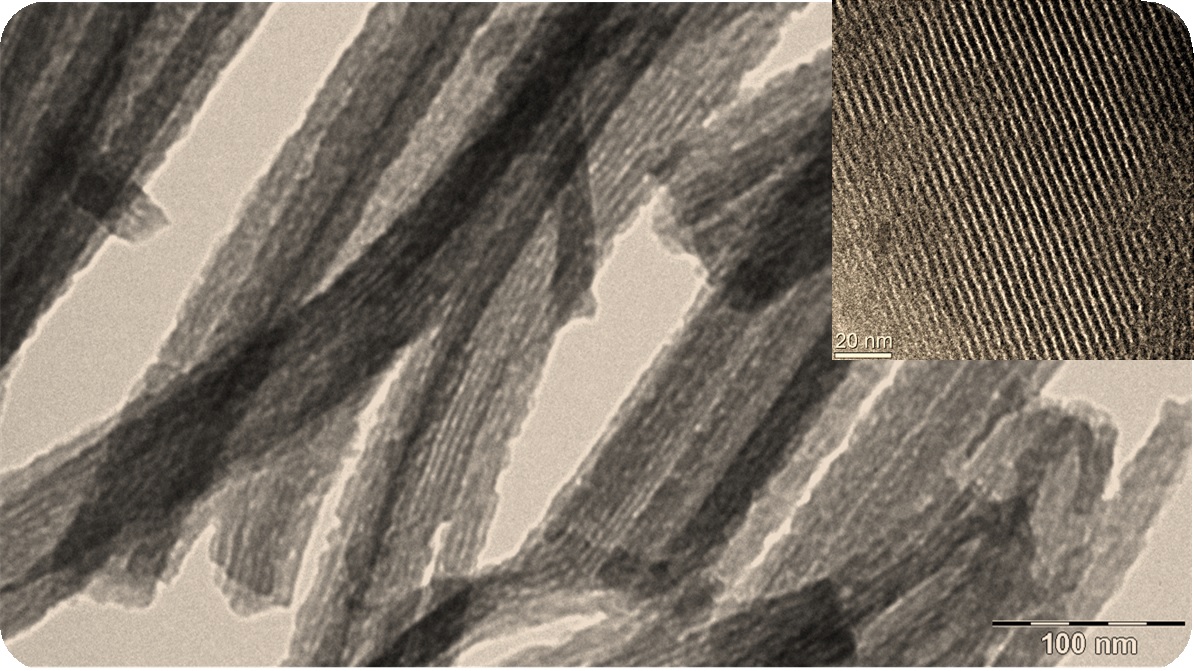
Preparation of advanced nanostructured materials (from colloidal surfactant systems)
- Preparation of organic and inorganic nanoparticles with controlled shape and size for applications in biomedicine, catalysis, and more.
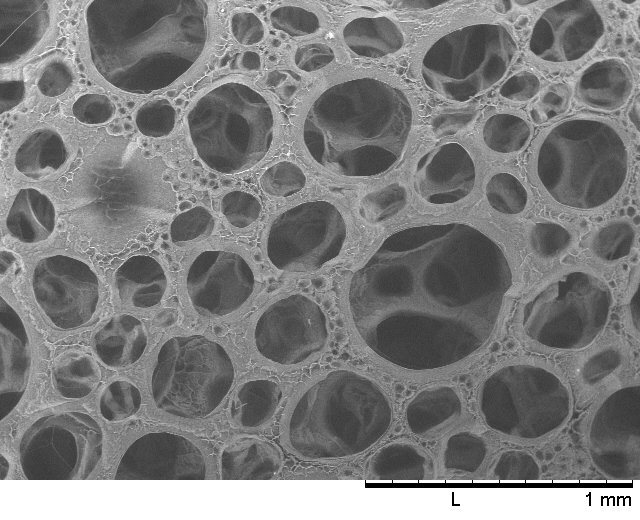
- Preparation of materials with dual meso- and macroporous structure .
- Obtaining materials with special properties (mechanical, thermal, acoustic, etc.).
- Obtaining fabrics capable of responding to external stimuli ( smart textiles ), for example by incorporating nanoparticles.
- Preparation of other ad hoc special materials , depending on the application.
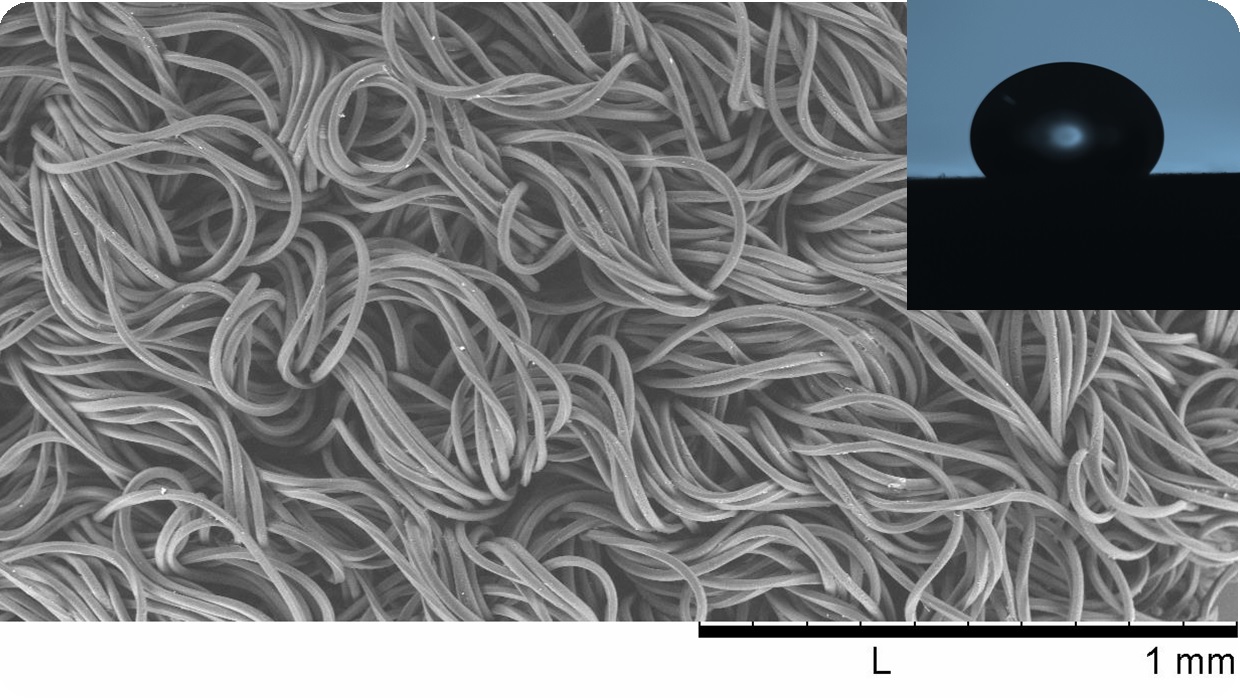
Surface modification
- Surface functionalization through chemical treatments to obtain materials with specific hydrophilic/ hydrophobic properties.
- Study of material surfaces (polymeric, textiles, etc.).